Analysis
A Good Gardener creates a world that feels small, repetitive, and strangely unsettling. The graphics are simple, but they are still effective at creating atmosphere. The environment looks abandoned, with overgrown plants and worn structures that make the world feel isolated. Even though the game only allows limited exploration, that limitation becomes part of the experience. Moving repeatedly between the same locations makes the player feel trapped in a cycle of labor and routine.
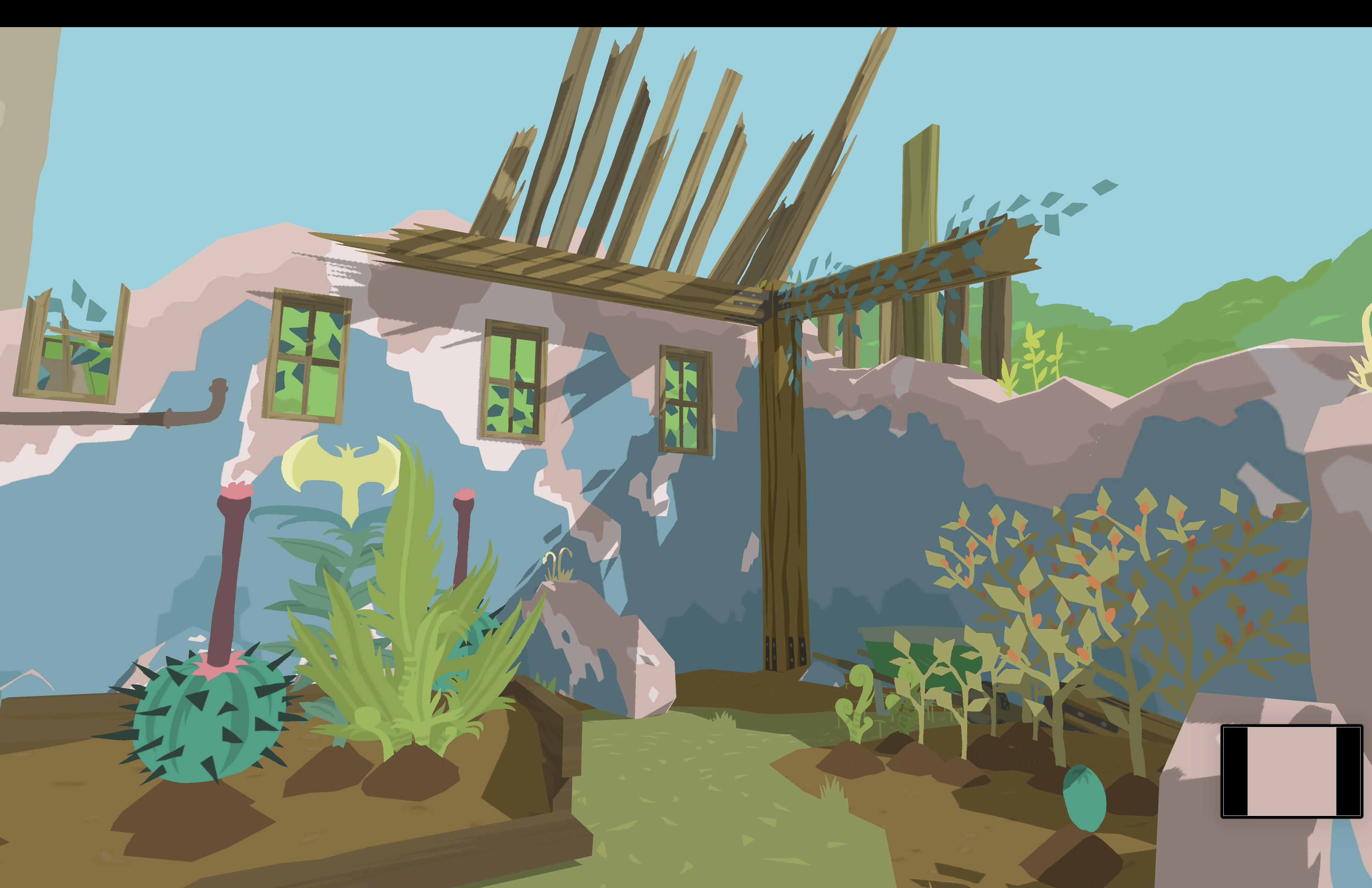
The player controls a single gardener character whose identity is mostly built through gameplay rather than dialogue. Instead of learning about the character through backstory, the player understands them through repetitive actions like planting seeds, watering crops, and maintaining the garden every day. The limited movement and repetitive tasks make it feel like the gardener is trapped within their role.
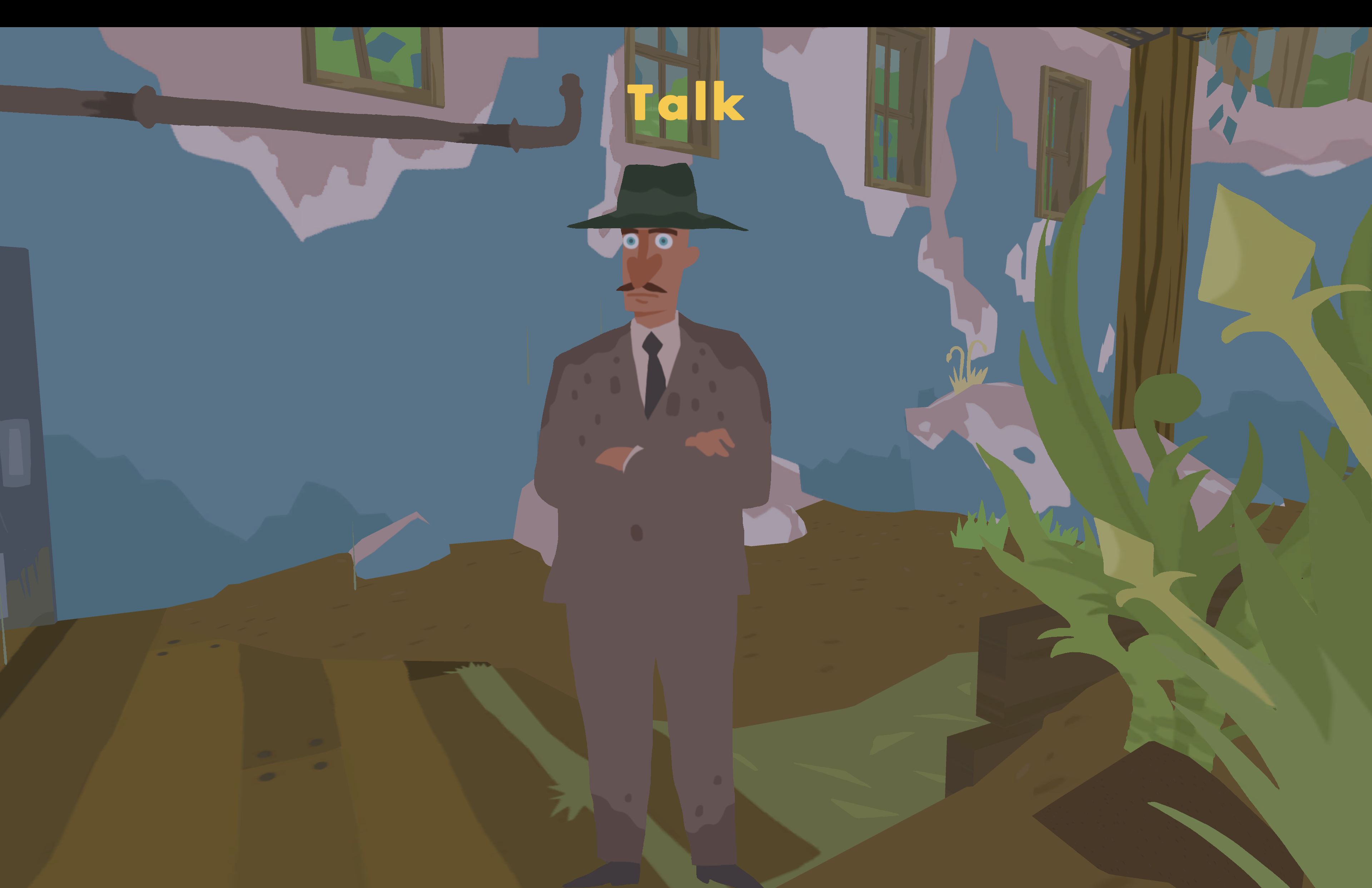
The game’s main NPC is the supervisor, who regularly visits to evaluate the player’s progress. These interactions feel formal and uncomfortable rather than friendly. The supervisor represents authority and control within the game world. Even when he begins to approve of the player’s work, the relationship still feels centered around productivity and expectations rather than genuine care.
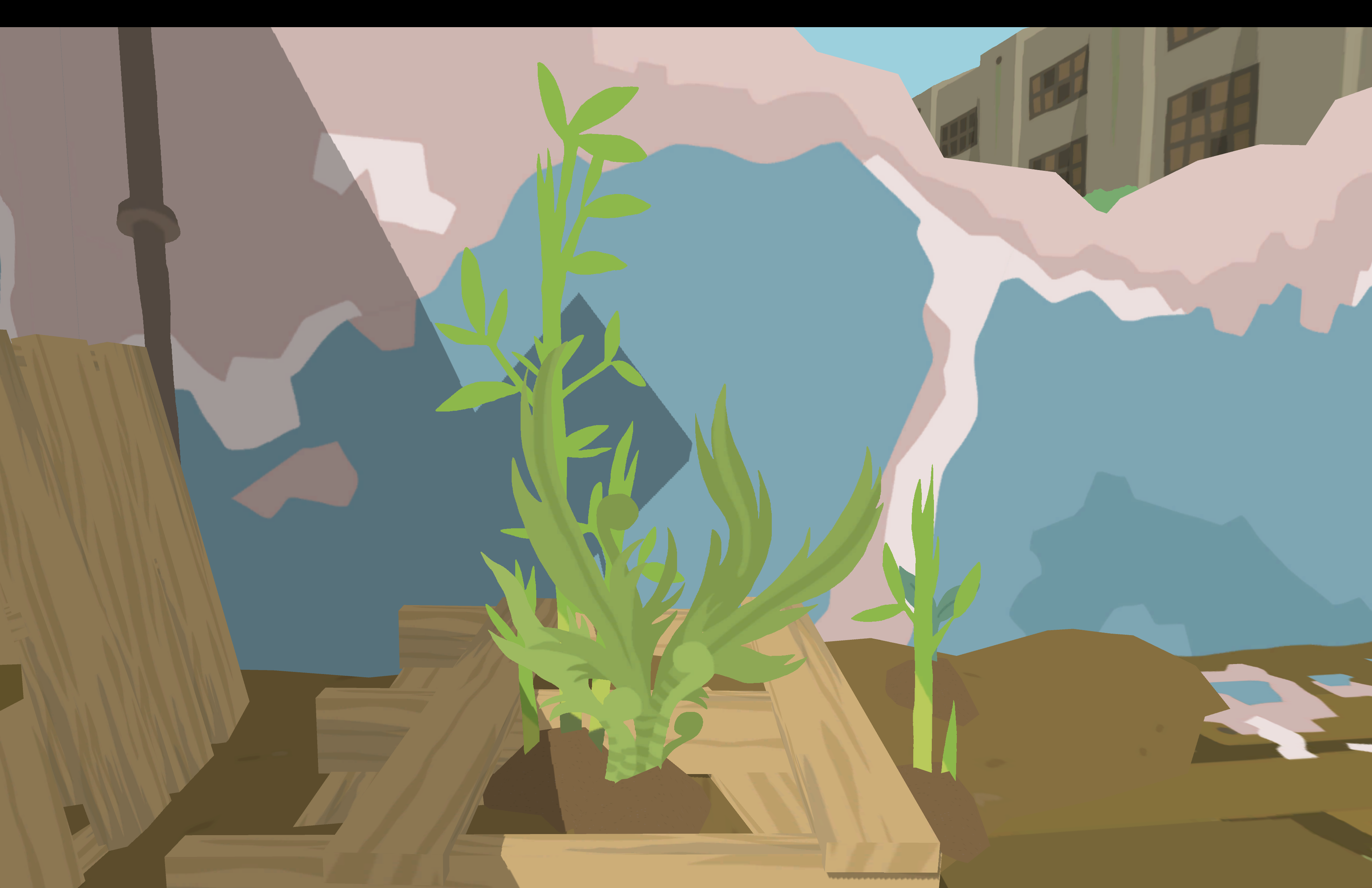
Gameplay revolves around interacting with objects like seeds, a watering can, garden beds, and a seed box. Packages arrive with only a few seeds each day, forcing the player to carefully manage resources. Challenges such as birds eating seeds or running out of water interrupt the routine and create pressure. The gameplay itself is extremely simple, but the repetition becomes part of the game’s larger message about labor and routine.
Sound and music also contribute heavily to the atmosphere. On rainy days, the music becomes more ominous and begins to resemble war music, changing the tone of the game completely. Moments like this suggest that the game is about more than gardening alone. As the game progresses, the player eventually receives a medal and a weapon, implying that their labor is connected to a much larger system involving conflict and militarism. The game gradually transforms ordinary gardening into something symbolic and unsettling.
Overall, A Good Gardener uses repetitive gameplay, limited exploration, and symbolic imagery to comment on labor, control, and authority. Even though the mechanics are simple, the game creates a strong emotional atmosphere and leaves the player questioning the purpose of their work. In the future, the game could become even stronger by expanding the story and allowing the player more freedom to explore or make meaningful choices.
Network Visualization
This Kumu visualization maps the relationships between gameplay mechanics, characters, objects, and larger themes such as labor, repetition, control, and war throughout the game.
The network emphasizes how repetitive gameplay mechanics connect directly to larger themes of authority, labor, and control within the game.